
 Pусский
 o'zbek


Supermarket shelves
Supermarket shelves are an important part of the shopping environment. They are designed to display a wide variety of products in an organized and convenient way. When customers walk into a supermarket, the shelves are often one of the first things they notice. They help create order, guide shoppers through the store, and make products easy to find.Most supermarket shelves are made of metal, wood, or strong plastic. They are usually arranged in long rows with different levels, so many items can be placed in a limited space. The height and shape of the shelves are carefully planned. Popular products are often placed at eye level because this makes them easier to see and reach. Heavier items are usually placed on lower shelves for safety, while lighter or smaller goods may be displayed higher up.Supermarket shelves carry many kinds of products, including fresh food, canned goods, snacks, drinks, cleaning supplies, and household necessities. Each section of the shelf is usually organized by category. For example, one area may be used for breakfast food, while another may hold pasta, rice, or sauces. This arrangement helps customers shop faster and reduces confusion. Clear labels and signs are often used to show where each product belongs.The appearance of supermarket shelves also plays a big role in shopping behavior. Clean, tidy, and well-stocked shelves make a store look attractive and trustworthy. If shelves are empty or messy, customers may think the store is poorly managed. Stores often pay close attention to shelf arrangement, product placement, and lighting. Bright lighting can make products look more appealing, and neat rows can encourage people to buy more.Supermarket shelves are not only practical but also part of marketing. Products placed at the front of a shelf or near the checkout area often get more attention. Special promotions, discounts, and new products are frequently displayed in more visible locations. These strategies can influence customer choices and increase sales. In this way, shelves are more than storage units; they are also a tool for communication between the store and the shopper.In daily life, supermarket shelves make shopping efficient and comfortable. They save time, help customers compare products, and keep the store environment orderly. Without shelves, supermarkets would be difficult to manage and unpleasant to shop in. Therefore, supermarket shelves are essential for both customers and store operations. They combine function, design, and presentation to create a better shopping experience for everyone.
Products
Category:
-
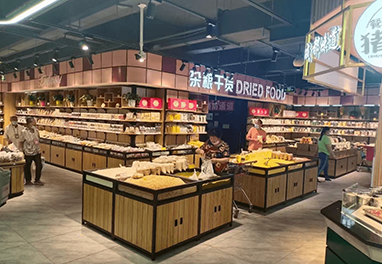
Supermarket shelves
Category: Supermarket ShelfBrowse number: 57Number:Release time: 2026-06-23 15:31:35Although the specialty supermarket has a relatively high positioning, poor layout design of the supermarket can still affect sales. So, how should the shelves in the supermarket be arranged? -
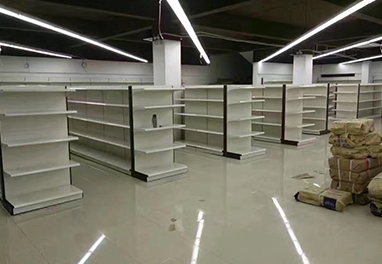
Supermarket shelves
Category: Supermarket ShelfBrowse number: 17Number:Release time: 2026-07-08 19:07:56When arranging the shelves, it is important to note that the number of shelves cannot be chosen randomly. It needs to be determined based on an appropriate display density of goods. Each square meter should be able to accommodate 11 to 12 varieties of products. Too many will make the space look crowded, while too few will result in a lack of goods. -
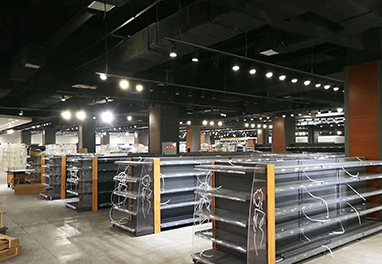
Supermarket shelves 2
Category: Supermarket ShelfBrowse number: 27Number:Release time: 2026-07-08 19:13:10When arranging the shelves, it is necessary to pay attention to the optimal display positions on the shelves. Generally, the top layer usually displays the recommended products; the lower layer displays the products that are in the decline stage of their sales cycle; the second and third layers are the positions where products can be easily seen and accessed. -
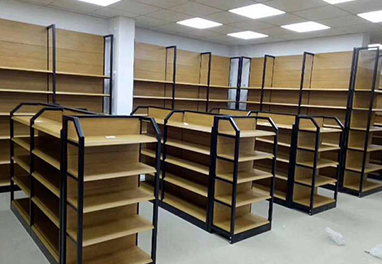
Supermarket shelves 4
Category: Supermarket ShelfBrowse number: 20Number:Release time: 2026-07-08 19:22:25When arranging the shelves, it is important to note that the number of shelves cannot be chosen randomly. It needs to be determined based on an appropriate display density of goods. Each square meter should be able to accommodate 11 to 12 varieties of products. Too many will make the space look crowded, while too few will result in a lack of goods. -
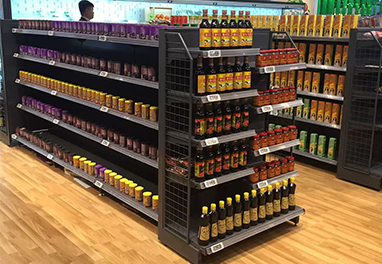
Supermarket shelves 4
Category: Supermarket ShelfBrowse number: 53Number:Release time: 2026-07-15 15:12:54When arranging the shelves, it is necessary to pay attention to the optimal display positions on the shelves. Generally, the top layer usually displays the recommended products; the lower layer displays the products that are in the decline stage of their sales cycle; the second and third layers are the positions where products can be easily seen and accessed. -
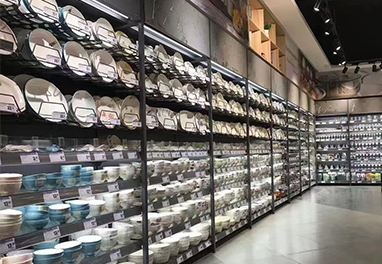
Supermarket shelves 5
Category: Supermarket ShelfBrowse number: 62Number:Release time: 2026-07-15 17:26:34Design rendering of a 100-square-meter supermarket.Although the specialty supermarket has a relatively high positioning, poor layout design of the supermarket can still affect sales. So, how should the shelves in the supermarket be arranged? -
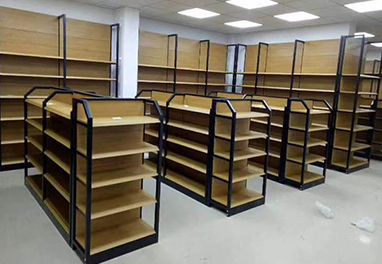
Supermarket shelves 6
Category: Supermarket ShelfBrowse number: 63Number:Release time: 2026-07-15 17:31:56When arranging the shelves, it is important to note that the number of shelves cannot be chosen randomly. It needs to be determined based on an appropriate display density of goods. Each square meter should be able to accommodate 11 to 12 varieties of products. Too many will make the space look crowded, while too few will result in a lack of goods.
News
Category:
No search results found!
Case
Category:
No search results found!
Video
Category:
No search results found!
Download
Category:
No search results found!
Job
Category:
No search results found!
Featured Products
-
NEWS
Supermarket shelves
Learn more



 WhatsApp
 Phone
Phone E-mail